
Air Freight
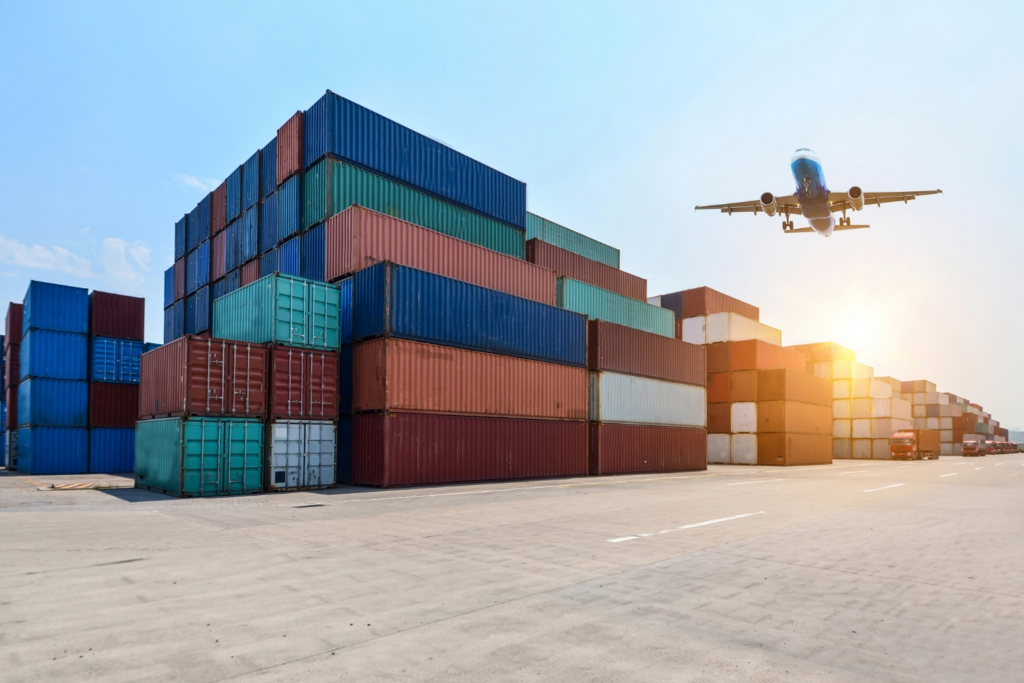
Hey, in today’s global trade game, moving stuff from one corner of the world to another in the blink of an eye is super important. That’s where air freight comes in. It’s basically the superhero of shipping methods, zooming goods around the planet faster than you can say “delivery.” But what’s the deal with air freight anyway, and why does everyone rave about it in the world of international commerce?
What documentation is required if you want to ship something using air freight?

When you’re sending cargo by air freight, you usually must deal with a bunch of paperwork to make sure everything goes smoothly and follows the rules. The kind of documents you need can change depending on what you’re shipping, where it’s going, and what the airline or destination country wants. Here are some of the mandatory and applicable/optional documentation.
How are hazardous goods transported by air freight.
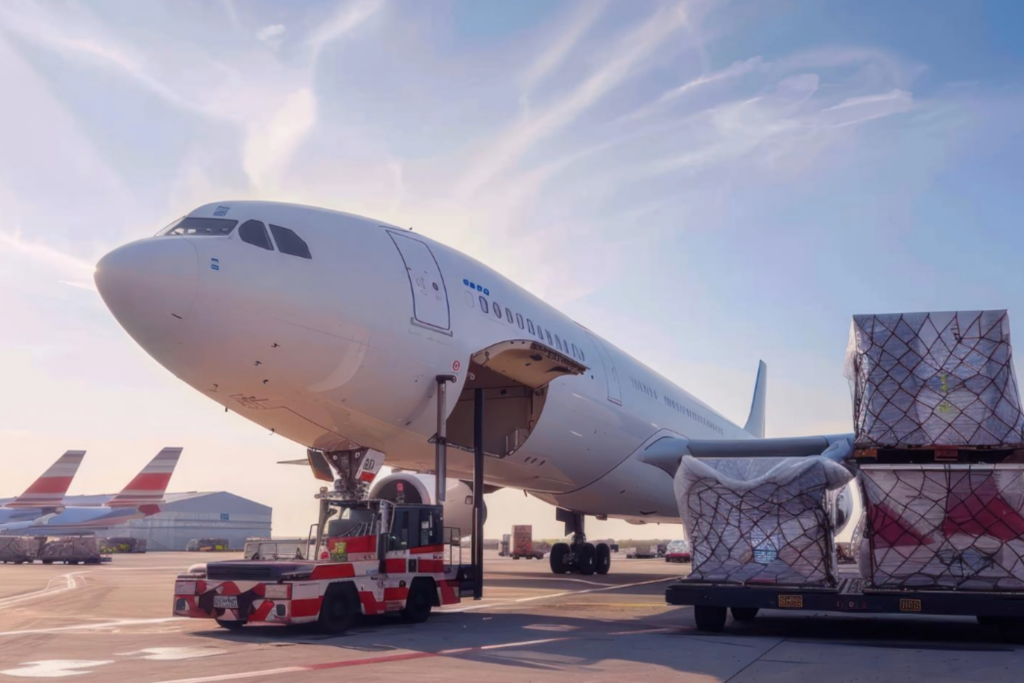
When you’re talking about hazardous goods transported by air, it is a whole different ball game. I mean, we’re talking about everything from chemicals and flammable liquids to explosives and radioactive materials. Sure, air freight gets your goods there fast, but it’s not all smooth sailing. There are all these rules and special ways of handling things, plus a ton of safety measures to keep things in check. This article dives into the nitty-gritty of what it takes to transport hazardous goods by air freight.
How are the costs for air freight calculated?
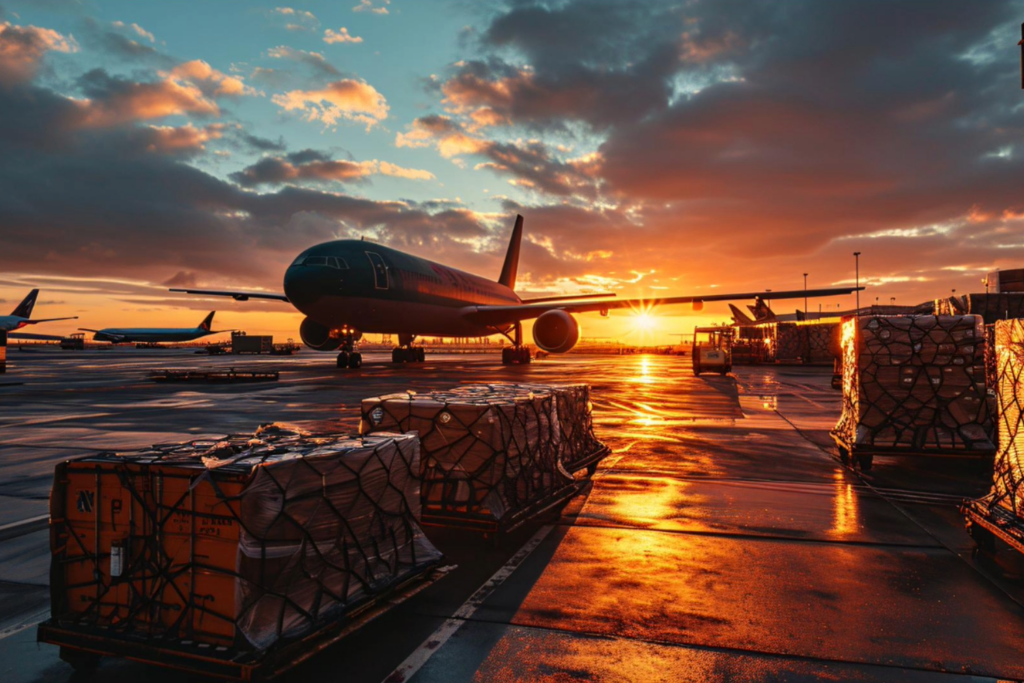
Air freight is super important for global trade. It’s what helps goods zip around the world quick. But figuring out how costs for air freight is calculated can be a bit of a head-scratcher for businesses. In this article, we’re going to break down how they come up with those costs for air freight. We’ll talk about all the cargo that goes into it and hopefully make it a bit less confusing for you!


